Article updated on September 10, 2026
Gutters differ in three main ways: style, construction, and material. Common styles include K-style, half-round, box, and fascia gutters. Gutters can also be seamless or sectional and are commonly made from aluminum, vinyl, steel, zinc, or copper. The right combination depends on your roof, local rainfall, home style, maintenance preferences, and budget.
Gutters play a crucial role in protecting a home’s foundation, siding, and landscaping by directing rainwater away from the structure. But not all roof gutter systems are created equal: there are different types, materials, and gutter styles to consider. This guide breaks down the most common types of gutters, how they work, and which style might be the best fit for your project.
How gutter systems work
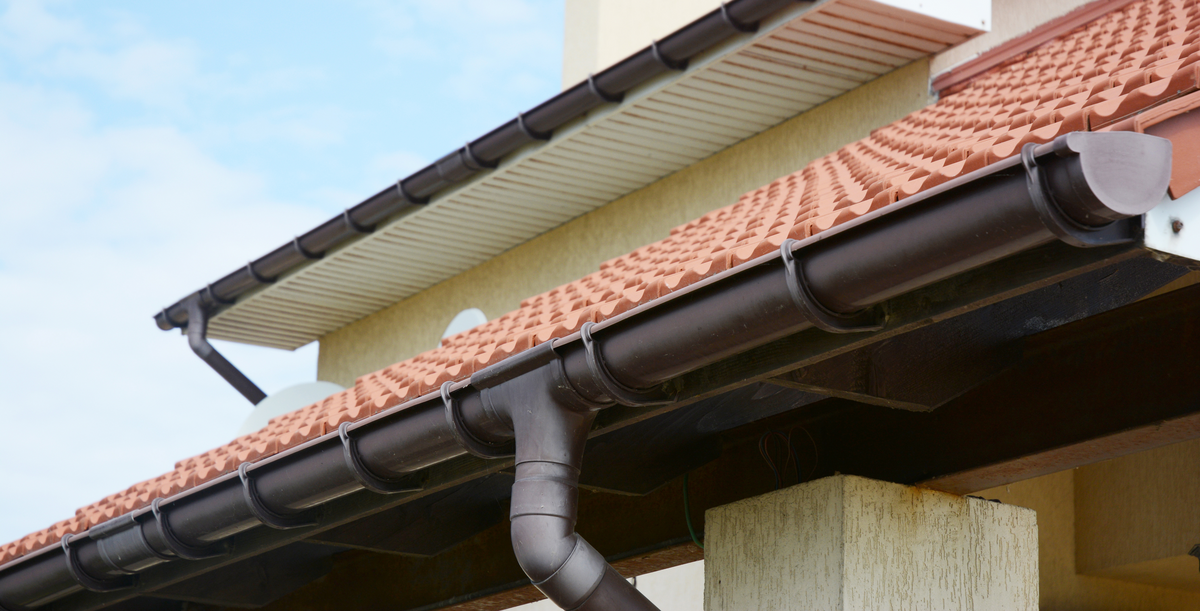
Before diving into the different roof gutter styles & types, it’s important to understand their role and functionality. A gutter system consists of several components that work together to collect and channel rainwater away from the home:
- Gutters: The horizontal channels that collect water from the roof.
- Downspouts: Vertical pipes that carry water from the gutters to the ground or drainage system.
- End caps: Seal the gutter’s ends to prevent leaks.
- Hangers & brackets: Secure the gutters to the roofline.
- Gutter guards (optional): Mesh or covers that prevent debris buildup.
Without a properly installed gutter system, homes are vulnerable to water damage, erosion, and basement flooding.
Types of gutters
-
K-style: flat-back profile with a decorative front and strong capacity for residential applications.
-
Half-round: smooth, curved profile that can be easier to clean and is common on historic or traditional-style homes.
-
Box (built-in): built into or integrated with the roofline and commonly used where larger drainage capacity is needed.
-
Fascia: a streamlined profile that can create a clean, integrated look along the roof edge.
1. K-style gutters
K-style gutters are the most common choice for residential homes due to their modern appearance and effective water capacity. Their flat-back design allows them to sit flush against the fascia, and their decorative front mimics crown molding, enhancing curb appeal.
- Best for: Most residential homes
- Pros: Durable, high water capacity, visually appealing
- Cons: Harder to clean due to sharp angles
2. Half-round gutters
Half-round gutters have a smooth, rounded shape that complements traditional and historic homes. They are less likely to corrode because they lack creases where water and debris can settle.
- Best for: Older or classic-style homes
- Pros: Less prone to rust, elegant look
- Cons: Lower water capacity than K-style, requires more support brackets
Capacity comparison
K-style and half-round gutters have different cross-sectional shapes, which affects capacity and maintenance. K-style gutters generally provide strong carrying capacity for their width, while half-round gutters have a smoother interior profile that can be easier to clean. The right choice depends on roof size, rainfall, appearance, and maintenance preferences.
3. Box gutters
Box gutters are built into the roof structure rather than attached to the fascia, making them a popular choice for historic buildings and commercial properties. These hidden gutters provide a seamless look but require expert installation and regular maintenance.
- Best for: Historic homes, large commercial buildings
- Pros: Hidden design, high water capacity
- Cons: Expensive, can deteriorate if not maintained properly
Installation notes: Box gutters are often integrated into the roof or building structure, making them more complex to repair or retrofit than standard hanging gutters. Fascia-style systems may require custom sizing or installation depending on the home. Both are generally better suited to professional installation than basic sectional gutter systems.
4. Fascia gutters
Fascia gutters are custom-built to fit directly onto the fascia board, eliminating the need for visible hangers and brackets. They offer a sleek, modern appearance but are often more expensive due to their custom fabrication.
- Best for: Contemporary homes, custom designs
- Pros: Seamless look, durable
- Cons: Costly to install and repair
Installation notes: Box gutters are often integrated into the roof or building structure, making them more complex to repair or retrofit than standard hanging gutters. Fascia-style systems may require custom sizing or installation depending on the home. Both are generally better suited to professional installation than basic sectional gutter systems.
5. Seamless gutters
Seamless gutters are made from a single continuous piece of material, reducing the risk of leaks and weak points. They require professional installation but offer superior durability compared to traditional sectional gutters.
- Best for: Homes in areas with heavy rainfall
- Pros: Leak-resistant, low maintenance
- Cons: Must be professionally installed, higher initial cost
6. Sectional gutters
Unlike seamless gutters, sectional gutters come in pre-cut pieces that are connected along the roofline. They are easy to install as a DIY project but are more prone to leaks at the seams.
- Best for: Budget-conscious homeowners
- Pros: Affordable, easy-to-replace sections
- Cons: More maintenance, weaker at connection points
Gutter materials: Which one should you choose?
- Aluminum gutters
Lightweight, rust-resistant, and budget-friendly, aluminum is the most popular gutter material. It comes in various colors and is easy to install. - Copper gutters
Elegant and durable, copper gutters develop a beautiful patina over time. However, they are expensive and require professional installation. - Vinyl gutters
Affordable and easy to install, vinyl gutters are resistant to rust but can become brittle in extreme temperatures. - Steel gutters
Extremely durable and ideal for heavy rainfall areas, but prone to rust over time if not properly maintained. - Zinc gutters
A high-end option that resists corrosion and lasts for decades, but requires professional installation.
Cost and lifespan at a glance
Installed cost and expected lifespan vary widely by material and by region, but industry cost guides (including Angi and HomeAdvisor) put the general ranges at:
-
Vinyl: $3 to $11 per linear foot installed; typically lasts 10 to 20 years.
-
Aluminum: $4 to $20 per linear foot installed (seamless generally costs more than sectional); typically lasts 20 to 30 years.
-
Galvanized steel: $5 to $20 per linear foot installed; typically lasts 20 to 30 years.
-
Zinc: $15 to $45 per linear foot installed; typically lasts 50 to 80 years or more.
-
Copper: $15 to $60 per linear foot installed; typically lasts 50 to 100 years.
Get a quote based on your project home's actual linear footage before comparing materials, since the ranges above are national averages and can shift significantly based on your region and the complexity of your project’s roofline.
Gutter accessories and add-ons
A few add-ons can meaningfully change how well a gutter system performs:
-
Gutter guards or strainers: reduce debris buildup and cleaning frequency, though they don't eliminate cleaning entirely.
-
Splash blocks: help direct water away from the foundation at the bottom of a downspout.
-
Conductor heads: collect water from roof-drainage points and feed it into a downspout; more common in certain architectural systems.
-
Rain chains: decorative alternatives to standard downspouts in some applications. Their suitability depends on roof drainage volume and local rainfall.
-
Larger outlets: reduce clogging risk on gutters that collect heavy leaf or debris load.
-
Bracket type: hidden hangers create a cleaner appearance and are widely used on modern gutter systems. Older systems may use spike-and-ferrule fasteners.
Choosing the right gutter system for your home
When selecting a gutter system style, consider the climate, roof structure, and budget:
- For heavy rainfall areas: Seamless aluminum or steel gutters work best.
- For historic homes: Half-round or box gutters maintain architectural integrity.
- For modern homes: Fascia gutters offer a clean, custom look.
- For DIY installation: Vinyl or sectional aluminum gutters are easy to work with.
Proper gutter maintenance—including regular cleaning and gutter guards—extends the life of your system and prevents costly repairs. The right gutter system protects your home from costly water damage while enhancing curb appeal. Whether you need a durable seamless system or a custom-designed option, choosing the right gutter style ensures long-lasting performance.
What are the best types of gutters to get?
There isn’t one best gutter type for every home. K-style aluminum is a common residential choice because it is widely available and works with many home styles. Half-round gutters are often chosen for traditional or historic homes, while box and fascia systems may suit specific architectural or drainage needs. Your project’s roof size, rainfall, home style, maintenance preferences, and budget should guide the decision.
Gutter Sizes and Downspouts
Standard residential gutters come in two widths: 5-inch and 6-inch. Rather than a fixed home-size cutoff, which materials do vary on, the right choice depends on your roof's actual drainage area, its pitch, and local rainfall intensity. A steeper roof sheds water faster, and a region with heavy or intense rainfall needs more capacity than the same size roof in a drier climate. As a general pattern, 5-inch gutters handle a large share of standard residential roofs, while 6-inch gutters are typically recommended for larger roofs, steeper pitches, or areas that see intense rainfall, since they hold meaningfully more water than a 5-inch gutter of the same length.
Downspout count works the same way: it's a function of your roof's drainage area and local rainfall, not a fixed number that applies everywhere.
Frequently Asked Questions (FAQs) about Gutters
What are the main types of gutters?
Common residential gutter styles include K-style, half-round, box, and fascia.. Beyond style, gutters also differ by assembly, seamless or sectional, and by material, most commonly aluminum, vinyl, steel, zinc, or copper.
What are the best types of gutters to get?
There isn’t one best gutter type for every home. K-style aluminum is a common residential choice because it is widely available and works with many home styles. Half-round gutters are often chosen for traditional or historic homes, while box and fascia systems may suit specific architectural or drainage needs. Your project’s roof size, rainfall, home style, maintenance preferences, and budget should guide the decision.
Do local ordinances affect gutter style on historic homes?
They can. Historic districts may regulate gutter material, profile, color, or visibility to preserve a home’s architectural character. Requirements vary by location, so check with your local historic preservation office or building department before replacing gutters on a designated property.